How to Delete a Blank Page in Word

Delete a blank page in Microsoft Word: show formatting marks, remove extra paragraphs, page and section breaks, and fix the stubborn blank page after a table at the end.
Delete a blank page in Microsoft Word: show formatting marks, remove extra paragraphs, page and section breaks, and fix the stubborn blank page after a table at the end.

Make just one page landscape in a portrait Microsoft Word document, for a wide table or chart, using Page Setup with Apply to Selected text or section breaks.

Start page numbers on page 2 or page 3 in Microsoft Word: hide the number on the cover with Different First Page, or use a section break and restart numbering at 1.

Create an automatic table of contents in Microsoft Word with heading styles, update the page numbers, change how many levels show, and fix common TOC problems.

Create personalised letters, certificates or labels with mail merge from an Excel list to Word: select recipients, insert merge fields, preview, and fix number and date formats.
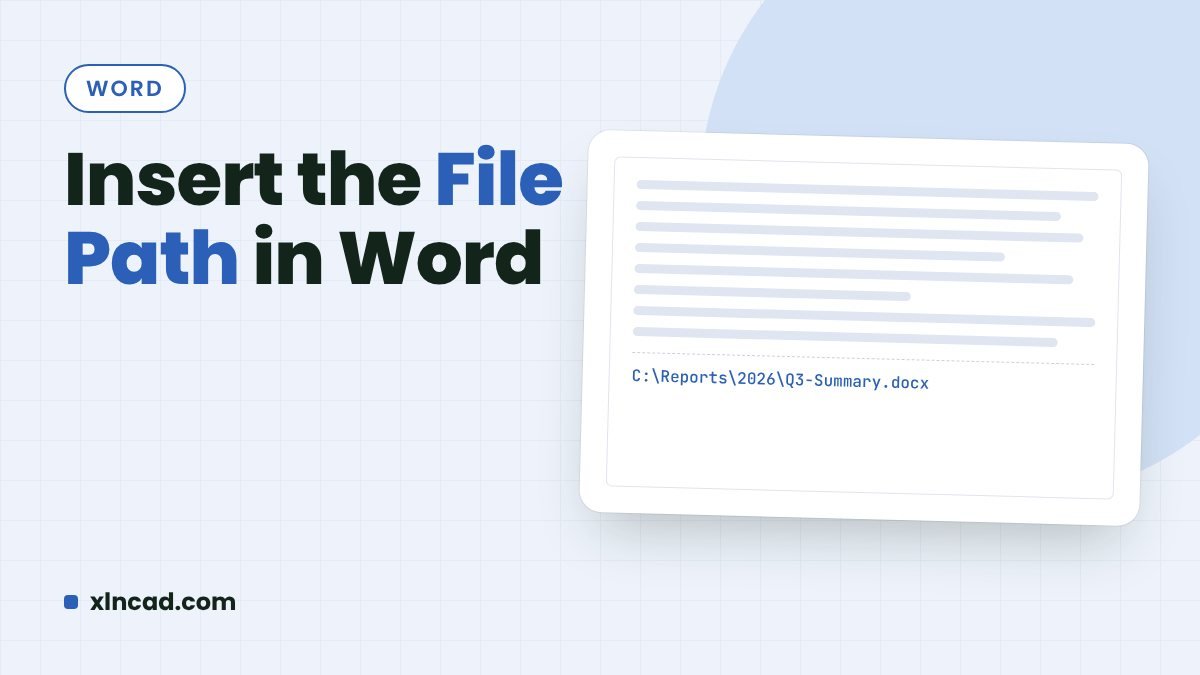
Show a document’s file name and folder path in Microsoft Word: add Insert File Path to the Quick Access Toolbar, or use a FileName field in the header or footer.
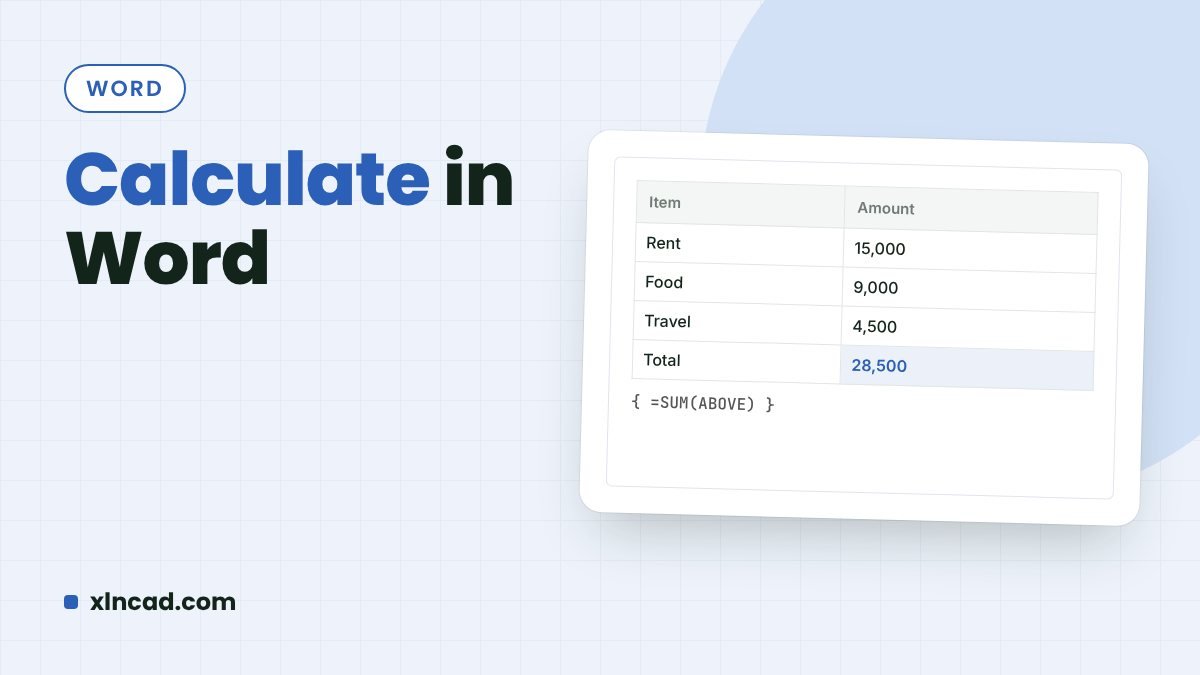
Use Microsoft Word’s hidden Calculate command to work out sums typed in a document, and use table formulas such as =SUM(ABOVE) to total columns in a Word table.

Make Microsoft Word read your text aloud with the Speak command or Read Aloud. Add Speak to the Quick Access Toolbar, change the voice and speed, and use the shortcut.

Create a select query in Microsoft Access with the Query Wizard or Query Design: choose fields, add criteria, sort, total and ask for a value each time the query runs.
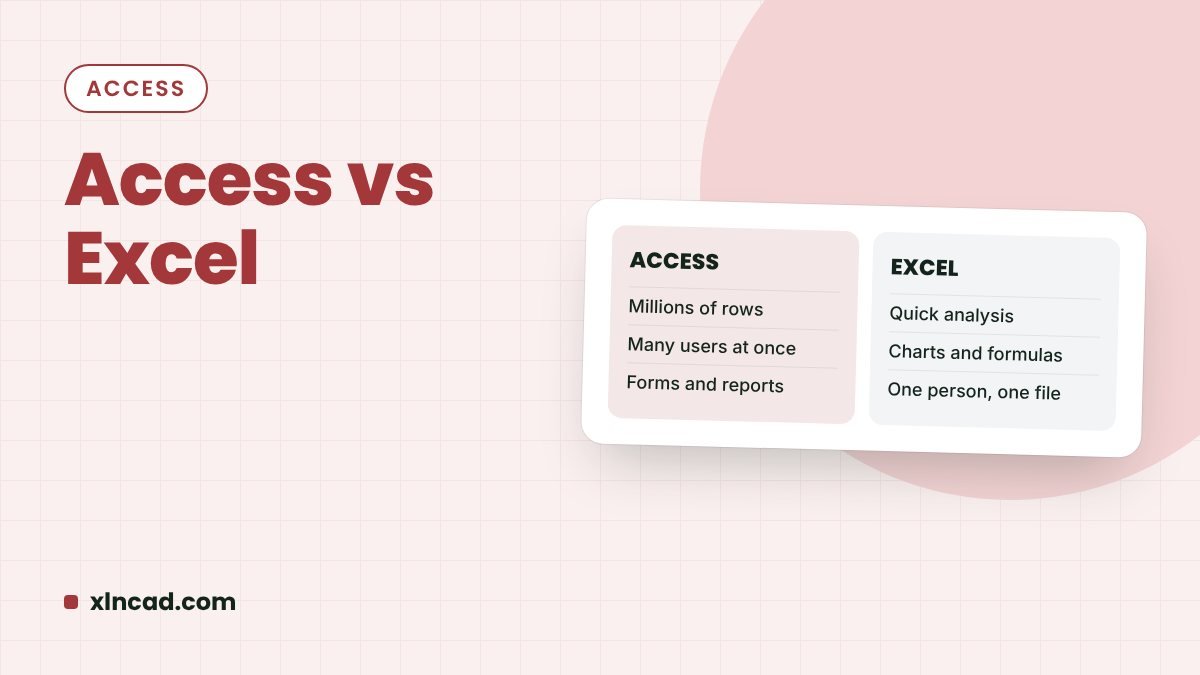
Microsoft Access vs Excel compared: data size, multiple users, forms, relationships, reports and calculations, with clear advice on when to use each and how they work together.